The Desktop PC Market Adapts to 2026 Hardware Demands
The custom PC market faces a shifting landscape in 2026 as component costs and hardware requirements evolve. ASUS has released a comprehensive guide to help builders navigate rising memory prices and the specific demands of modern AI-driven applications. This update serves as a roadmap for users selecting between the latest Intel and AMD platforms.
Current hardware trends show a significant focus on VRAM capacity and memory stability. As software requirements grow, the choice of motherboard and graphics card becomes more critical for long-term system viability. The guide outlines how specific hardware features can mitigate high costs while maintaining high performance levels.
New Motherboard Standards and Memory Innovations
As reported by press.asus.com, the latest generation of motherboards introduces proprietary technologies designed to stabilize high-speed data transfers. The Z890 and B860 series for Intel, alongside AMD’s B850 chips, form the backbone of these new configurations. A significant advancement is the introduction of NitroPath DRAM Technology, which aims to improve signal integrity on high-end gaming boards.
Builders now have access to several memory-optimization tools to handle fluctuating RAM availability:
- DIMM Fit and DIMM Flex: These features provide automated adjustments for memory modules to ensure stability during heavy workloads.
- AEMP Mix Tuning: This allows users to combine different memory sticks, even from various manufacturers, into a functional array.
- LGA 1851 Support: The Intel Z890 platform supports the newest CPU architecture with full overclocking capabilities.
- AMD B850 Flexibility: CPU and memory overclocking for AM5 processors.
AEMP Mix Tuning, an exclusive BIOS feature that lets builders combine modules with different specs and vendors — and even overclock them automatically.
— press.asus.com
Graphics Card Selection for AI and Gaming
The 2026 hardware cycle emphasizes NVIDIA’s RTX 50-series and AMD’s Radeon RX 9000 lineup. remain the primary choices for enthusiasts. RTX 5060 Ti, which offers 16GB of VRAM to handle modern texture loads and large language models.
Radeon RX 9070 and the specialized Turbo Radeon AI Pro R9700. For professional workstations, the Intel Arc Pro B70 represents an entry into the AI-focused graphics market. Selecting a card with at least 12GB to 16GB of memory is becoming a standard recommendation for users who want to avoid performance bottlenecks in upcoming software releases.
Strategic Upgrades and Market Incentives
Choosing the right motherboard chipset remains a primary factor in total system cost. While the Intel Z890 offers maximum control for enthusiasts, the B860 serves as a more affordable entry point, though it lacks CPU overclocking features. In contrast, AMD’s B850 offers a middle ground by allowing users to tune both their processor and memory without moving to the most expensive tier of boards.
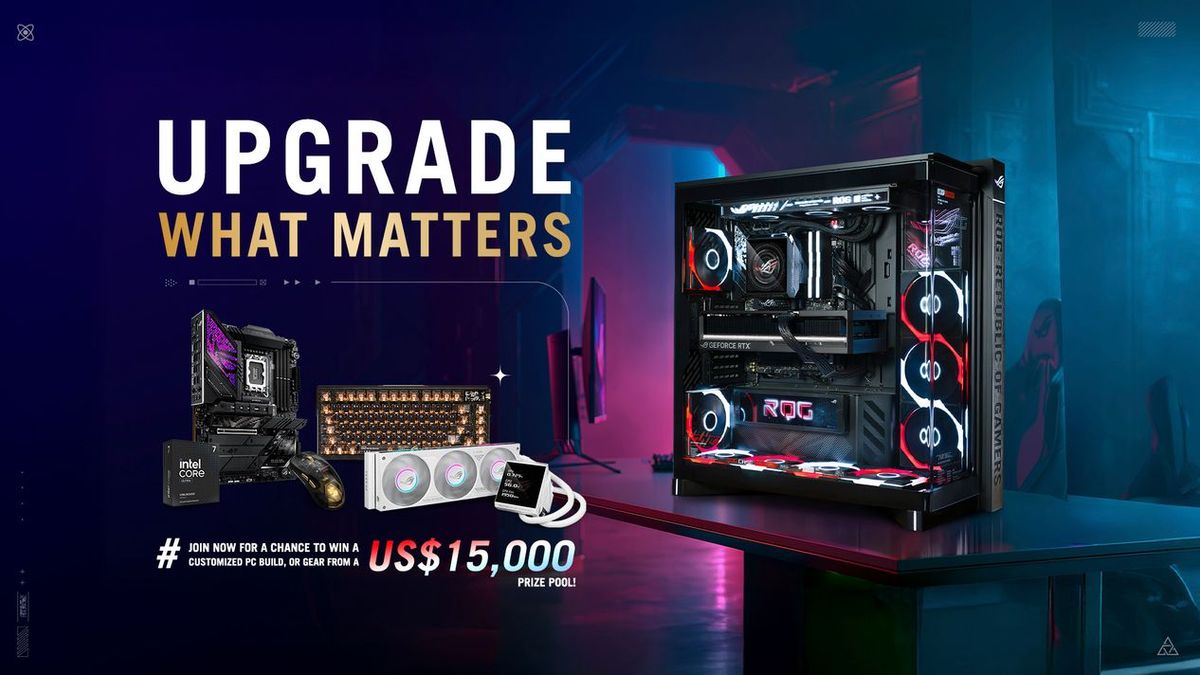
To encourage adoption of these new standards, a global promotion titled "Upgrade What Matters" is currently active. Running through December 31, 2026, the initiative includes a prize pool valued at US$15,000 for participants. This timing aligns with the expected peak of the current hardware cycle, providing an incentive for users to transition to the 800-series platforms.
ASUS motherboards do more than most to carry a system through the memory crisis.
— press.asus.com
Long-Term Hardware Viability
Whether these new memory technologies and graphics configurations will fully offset the rising costs of raw components will be determined by market stability in the coming months. For most builders, the focus in 2026 remains on efficiency and compatibility across mixed hardware environments. The ability to mix memory brands and utilize AI-optimized GPUs defines the current generation of PC construction.