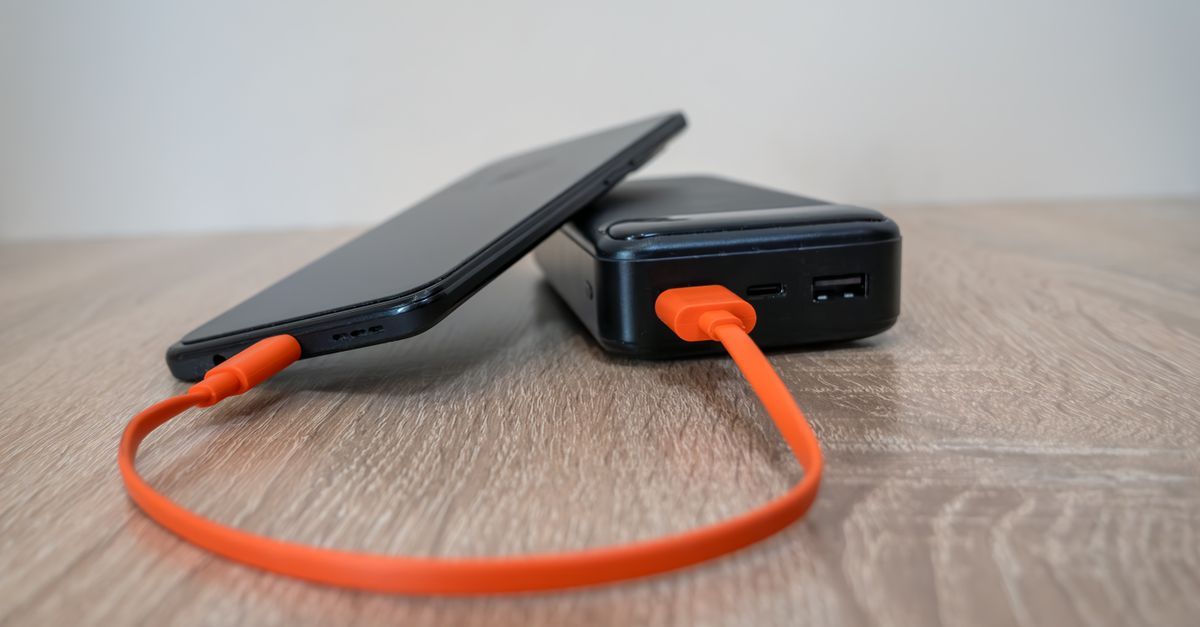
Portable Power Station vs. Generator: Your 2026 Guide to Home Power Backup
As power outages become more frequent, securing a reliable home backup solution is no longer a luxury but a necessity. In 2026, you're faced with two primary contenders: the traditional, robust generator and the modern, versatile portable power station. Understanding their differences is key to making the best choice for your household's emergency power solutions.
- Portable power stations offer quiet, clean, and versatile power, ideal for smaller loads and indoor use, often with solar charging capabilities. - Traditional generators provide high power output for extended periods, suitable for whole-home backup but come with noise, emissions, and fuel storage challenges. - The best choice for your home in 2026 depends on your power needs, budget, environmental concerns, and specific use cases. - Consider brands like EcoFlow and Bluetti for advanced portable power solutions, and reputable names like Generac or Honda for generators. - Integrating solar panels with portable power stations creates a sustainable, off-grid solar generator kit for long-term resilience.Understanding Your Home Backup Power Needs in 2026
Before diving into the specifics of each power solution, it's crucial to assess what you truly need. Consider the essential appliances you want to power during an outage, how long you anticipate needing power, and your budget. This will guide your decision between a portable power station vs generator.
What to Power?
- Critical Appliances: Refrigerator, freezer, medical devices, lights, phone chargers, Wi-Fi router.
- Comfort Appliances: Microwave, coffee maker, TV, small electric heaters/fans.
- High-Demand Appliances: Central AC, electric water heater, well pump, electric stove.
Portable Power Stations: The Modern Solution
Portable power stations, often referred to as solar generators when paired with solar panels, are battery-powered devices designed to provide clean, quiet electricity. They've seen significant advancements in 2026, offering higher capacities and faster charging.
Pros
- Clean & Quiet: No fumes, no loud engine noise, safe for indoor use.
- Eco-Friendly: Can be recharged via portable solar panels, reducing reliance on fossil fuels.
- Portability: Lighter and easier to move than most generators, perfect for camping or tailgating too.
- Low Maintenance: Fewer moving parts means less upkeep compared to combustion engines.
- Instant Power: No startup time, just plug and play.
- Versatile Outputs: Typically include AC outlets, DC ports, and USB ports.
Cons
- Limited Capacity: Generally lower power output and runtime than large generators, especially for whole-home backup.
- Higher Initial Cost per kWh: Can be more expensive per watt-hour of storage than generators.
- Recharge Time: Recharging large units can take several hours, though fast-charging technologies are improving.
- Not for Heavy-Duty Appliances: May struggle with very high-wattage appliances like central air conditioning.
Key Features of 2026 Portable Power Stations
- Battery Technology: Most modern units use LiFePO4 (Lithium Iron Phosphate) batteries for longer cycle life and safety.
- Fast Charging: Many models now offer rapid AC charging, often reaching 80% in under an hour.
- Expandability: Some systems, like the EcoFlow DELTA Pro Portable Power Station, allow you to connect extra batteries for increased capacity.
- Smart Features: App control, energy monitoring, and remote management via Wi-Fi or Bluetooth are common.
Leading brands in the portable power station market for 2026 include EcoFlow and Bluetti. For instance, the EcoFlow DELTA 3 Plus Portable Power Station or the Bluetti AC200P L Portable Power Station are excellent choices for substantial home backup, capable of running multiple essential appliances.
A solar generator isn't a generator in the traditional sense; it's a portable power station bundled with solar panels for recharging. This setup provides a sustainable and silent way to generate electricity during extended outages or off-grid living.Traditional Generators: The Workhorses
Traditional generators, typically running on gasoline, propane, or natural gas, have been the go-to for home backup for decades. They offer substantial power output and can run for extended periods as long as fuel is available.
Pros
- High Power Output: Can power large appliances, even whole homes, with sufficient wattage.
- Extended Runtime: Can operate for many hours or even days with a sufficient fuel supply.
- Cost-Effective per Watt: Often a lower upfront cost for high power output compared to portable power stations.
- Proven Technology: A mature and reliable solution for long-term power needs.
Cons
- Noise & Fumes: Loud operation and exhaust fumes make them unsuitable for indoor use.
- Fuel Dependency: Requires storing and replenishing fuel, which can be challenging during widespread outages.
- Maintenance: Requires regular oil changes, spark plug replacements, and fuel stabilization.
- Setup: Can be heavy and require more effort to set up, often needing a transfer switch for safe home integration.
- Environmental Impact: Contributes to air and noise pollution.
Types of Generators
- Portable Generators: Smaller, wheeled units for powering a few essential items.
- Inverter Generators: Quieter, more fuel-efficient, and produce cleaner power, safe for sensitive electronics.
- Standby Generators: Permanently installed, automatically turn on during an outage, and can power an entire home.
Portable Power Station vs. Generator: A Direct Comparison (2026)
To help you visualize the differences, here's a detailed comparison table:
| Feature | Portable Power Station | Traditional Generator |
|---|---|---|
| Power Source | Battery (rechargeable via AC, DC, Solar) | Gasoline, Propane, Natural Gas |
| Emissions | None (during operation) | Carbon Monoxide, NOx, Particulates |
| Noise Level | Silent to very quiet (fan noise) | Loud (50-80+ dB) |
| Indoor Use | ✅ Safe | ❌ Dangerous (carbon monoxide) |
| Maintenance | Minimal | Regular (oil, spark plugs, fuel) |
| Fuel Storage | Not applicable (battery) | Required (flammable fuel) |
| Portability | High (lighter, compact) | Moderate (heavier, bulkier) |
| Starting Method | Push button | Pull cord, electric start |
| Typical Runtime | Hours to a day (depending on load/capacity) | Many hours to days (with fuel) |
| Sustainability | High (with solar charging) | Low (fossil fuels) |
| Cost (initial) | Moderate to High | Low to High (depending on type/size) |
| Typical Use | Emergency backup, camping, outdoor events | Whole-home backup, construction sites |
Making Your Choice: Which is Right for You in 2026?
Choose a Portable Power Station if:
- You need to power essential devices and small appliances for a few hours to a day.
- You prioritize quiet, clean, and safe indoor operation.
- You're interested in sustainable portable solar charging for extended outages.
- You want a versatile device for both home backup and outdoor activities.
- Your budget allows for a higher upfront cost for a cleaner solution.
- You're looking for solutions like an EcoFlow DELTA Pro 3 Portable Power Station or a Jackery Explorer 1000 Plus for robust, expandable battery backup.
Choose a Traditional Generator if:
- You need to power your entire home, including large appliances like central AC.
- You anticipate very long power outages (multiple days) and have ample fuel storage.
- Your primary concern is maximum power output and runtime, and noise/emissions are less of a concern (due to outdoor placement).
- You're on a tighter budget for a high-wattage solution.
- You're prepared for regular maintenance and fuel management.
For those looking for a comprehensive home battery backup system, a portable power station from a brand like EcoFlow or Bluetti, especially with solar panel integration, represents a significant step towards energy independence. You can find more details on specific models in our Portable Power Stations for Emergency Prep 2026: Outage Ready guide.
FAQ
What is the lifespan of a portable power station battery?Most 2026 portable power stations use LiFePO4 batteries, which are rated for 2,500 to 3,500+ charge cycles to 80% capacity. This translates to many years of reliable use, often 8-10 years or more, depending on usage.
Can I use a portable power station and a generator together?Yes, you can. A common strategy is to use a portable power station for essential indoor needs (lights, charging) and a generator for larger loads or extended periods outdoors. Some portable power stations can even be recharged by a generator, offering a versatile emergency power solution.
Are solar panels included with portable power stations?Typically, solar panels are sold separately, allowing you to choose the size and type that best fits your needs. Many brands offer bundles, creating a complete solar generator kit. Check out our reviews like the EcoFlow NextGen 160W Portable Solar Panel for compatible options.
What are the safety regulations for home power backup in the US?For generators, the primary safety concern is carbon monoxide poisoning; always operate them outdoors. Electrical safety requires proper grounding and, for connecting to home wiring, a transfer switch installed by a licensed electrician to prevent backfeeding into the grid. Portable power stations are generally safer for indoor use due to zero emissions, but always follow manufacturer guidelines for charging and operation.
Conclusion
In 2026, the choice between a portable power station and a traditional generator for your home power backup comes down to balancing your specific needs for power, portability, environmental impact, and budget. While generators remain powerful workhorses for heavy loads and long durations, portable power stations offer a clean, quiet, and increasingly capable alternative, especially when paired with solar charging. Evaluate your priorities, calculate your power requirements, and invest in the solution that best prepares your home for any outage.