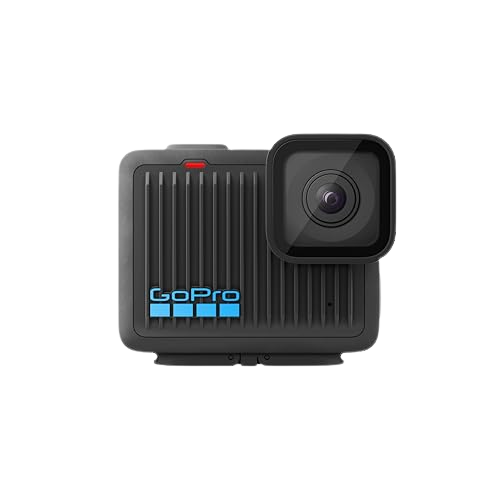
GoPro Transitions Toward Enterprise and Defense Markets Through Merger
The action camera market leader is shifting its corporate focus toward high-end infrastructure and national security sectors. GoPro has announced a definitive merger agreement with Starman Optical, a move that signals a significant strategic pivot for the California-based company. This transaction integrates specialized hardware manufacturing with GoPro's established optical engineering capabilities.
Strategic Integration of Optical Transceiver Technology
According to investor.gopro.com, the merger adds Starman's U.S.-based optical transceiver business to the GoPro portfolio. Starman Optical is a privately held domestic firm specializing in optical photonics. The deal involves an aggregate cash payment of $285 million to GoPro shareholders, which equates to $1.14 per share. Additionally, existing shareholders will retain approximately 10% ownership in the combined entity.
The financial restructuring includes the following key points:
- GoPro will remain listed on the Nasdaq exchange under the ticker symbol GPRO.
- The company's outstanding debt of approximately $92 million will be settled in full upon closing.
- Starman's onshore manufacturing facilities will be integrated into the new corporate structure.
- The merger aims to position the company within the AI data center and aerospace sectors.
Market Expansion Beyond Consumer Electronics
This merger represents a departure from GoPro's traditional reliance on the consumer hardware market. DJI and Insta360, this new direction focuses on government and defense applications. The combined company intends to leverage Starman's technology to provide components for high-speed data transmission and defense systems.
Despite the new focus on AI infrastructure, the company stated that it will not abandon its core user base. The current lineup of HERO cameras and the MAX 360-degree camera will continue to receive support. The company also confirmed that its subscription service and cloud storage platform remain operational parts of the business strategy.
"The combination of GoPro's world-class optical expertise and intellectual property with Starman's advanced transceiver capabilities and U.S. manufacturing platform creates a unique opportunity."
— investor.gopro.com
Impact on Consumer Product Development
For existing GoPro users, the primary concern involves the future of the camera hardware line. The company has clarified that the merger does not signal an immediate exit from the consumer space. Instead, the revenue from the enterprise sectors may provide the capital needed to sustain its consumer-facing innovations.
"GoPro to Continue Supporting its Existing Consumer Products and its Subscription and Cloud Platform While Investing in Growth."
— investor.gopro.com
The transition to onshore manufacturing for optical components could also provide GoPro with a competitive advantage in securing government contracts. Many federal agencies currently require domestic production for sensitive technology hardware. This alignment with U.S. manufacturing standards differentiates GoPro from its overseas competitors in the drone and imaging space.
Future Outlook for the Combined Entity
The successful integration of Starman Optical's technology into GoPro's ecosystem will be a critical factor for the company's long-term valuation. Investors will likely monitor how the company balances its legacy camera business with the high-growth demands of the AI data center market. The closure of the deal will finalize the debt repayment, providing a cleaner balance sheet for future operations.
Whether this merger effectively stabilizes GoPro's financial position in the face of shifting consumer trends remains to be seen through upcoming quarterly reports. The transaction is subject to standard regulatory approvals and closing conditions typical for domestic mergers. The company has not yet released a specific timeline for the full integration of Starman's optical transceiver production lines.