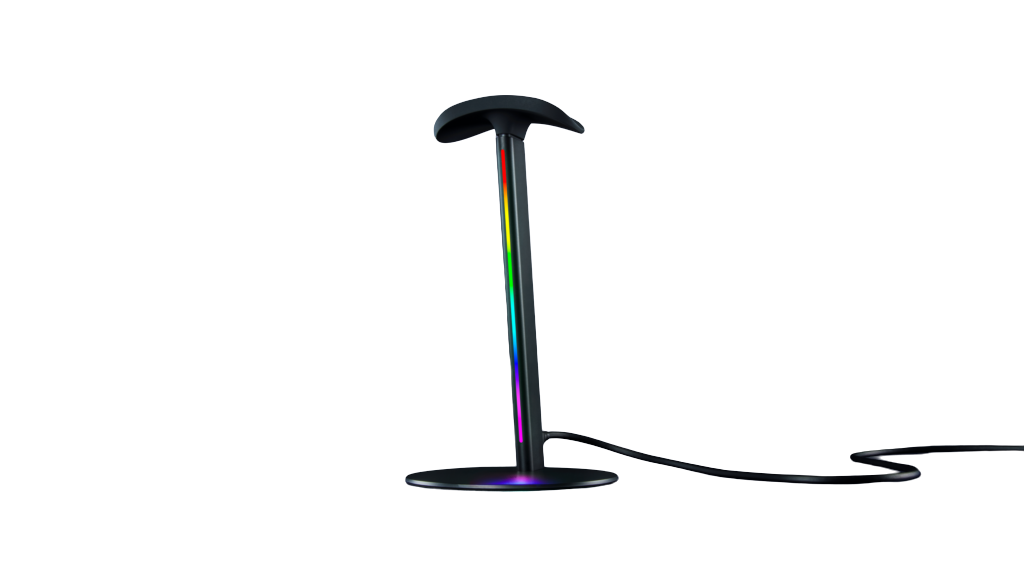
Desktop Automation Arrives via the Razer Base Station V3 Chroma
The peripheral market continues to shift toward integrated desktop ecosystems that prioritize automation. Razer has announced the Base Station V3 Chroma, a peripheral that functions as both a hardware hub and a software trigger. This device represents an evolution in how users interact with their gaming setups by linking physical movement to system-level changes.
Automated System Profiles and Hardware Connectivity
The primary function of the new stand involves a mechanism called Seamless Headset Detection. This feature monitors the physical state of the headset, according to razer.com. When a user lifts the headset from the stand, the Razer Synapse software automatically activates pre-defined user profiles. These profiles can modify audio and microphone inputs, launch specific gaming applications, or execute complex macros and global shortcuts.
The hardware design incorporates several utility and aesthetic features:
- Integrated two-port USB 3.1 hub for connecting wireless dongles or peripherals.
- Software-driven virtual 7.1 surround sound enhancements for analog headsets.
- A 12-zone vertical RGB lighting strip featuring 16.8 million colors.
- Full synchronization capabilities with the Razer Chroma RGB ecosystem.
- Physical stability provided by a curved, rubberized ledge and a felt anti-slip base.
The automation cycle completes when the user finishes their session. Returning the headset to the stand prompts the system to revert to its default settings. This eliminates the need for manual profile switching between gaming and productivity tasks. The stand aims to streamline the transition between different PC use cases through simple hardware interaction.
The standout new feature of the Base Station V3 Chroma is Seamless Headset Detection, which works with any headset compatible with Razer Synapse.
— razer.com
Comparing the Hub-Based Approach to Standard Stands
Corsair ST100 RGB and the ASUS ROG Throne. While most competitors offer USB hubs and integrated audio DACs, Razer focuses on software automation as a differentiator. The inclusion of USB 3.1 ports 0 stands, which is useful for high-polling rate wireless receivers.
The 12-zone lighting system provides more granular control than basic single-zone lighting found on entry-level models. Per razer.com, this lighting serves as a visual indicator of the system's current state. The stand acts as a central node for cable management, reducing clutter by housing the primary headset connection and secondary USB devices in one location.
A 12-zone vertical RGB strip lights up the battlestation with 16.8 million colors and a full suite of effects.
— razer.com
Utility for Multi-Tasking PC Users
For users who frequently switch between different audio configurations, this stand offers a practical advantage. The ability to trigger global shortcuts just by picking up a device reduces the friction of starting a gaming session. However, the full utility of the device depends heavily on the user's investment in the Razer Synapse software ecosystem. Those using standalone headsets without software needs may find the automation features less impactful.
Whether the added convenience of automated profile switching justifies the premium price point will depend on individual workflow requirements. The Base Station V3 Chroma is currently available through major electronics retailers and the manufacturer's direct store. As desktop setups become more complex, the trend toward smart peripherals that manage software states is likely to expand.