Digital Health Integration Expands in Clinical and Industrial Sectors
The wearable technology market is shifting from consumer fitness tracking toward specialized medical and industrial applications. Garmin recently concluded its 2026 Health Summit in Bangkok, Thailand, highlighting how data from smartwatches now informs cancer treatment and maternal health monitoring. This annual event serves as a platform for organizations to demonstrate how biometric data integrates into professional healthcare systems.
Top Honors for Cancer Research and Women’s Health
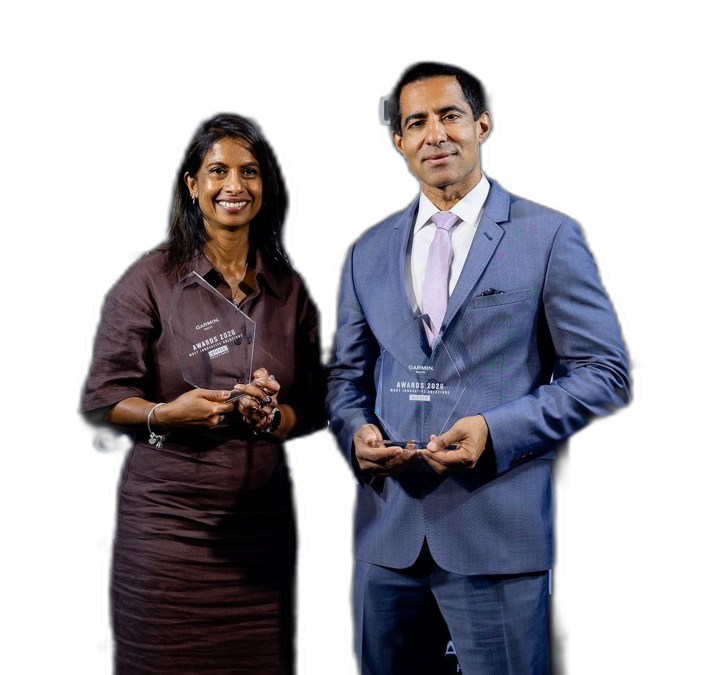
The 2026 Garmin Health Awards recognized two primary organizations for their use of wearable technology. Finalists for these awards were chosen from a pool of 113 applications spanning 31 countries. According to garmin.com, the winners received Garmin fitness trackers and smartwatches with a total value of up to $10,000.
- Montefiore Einstein earned the Expert’s Choice award. The organization uses Garmin wearables to monitor patients undergoing chemotherapy, radiotherapy, and immunotherapy.
- HeraMED won the People’s Choice award. Their AI-enabled platform tracks health metrics for women during pregnancy, postpartum, and menopause.
Biometrics in Extreme Environments and Logistics
Beyond clinical settings, the summit detailed how wearable data assists in high-stakes environments. Professor Francesco Pagnini shared research involving the Italian Navy and the European Space Agency. This study utilized Garmin data to analyze the mind-body connection in extreme conditions. In the logistics sector, WHG Solutions presented methods for fatigue monitoring specifically designed for truck drivers to improve road safety.
Technical discussions also focused on specific health markers. Thyroscope presented findings on using sleep heart rate as a digital biomarker for thyroid care. Additionally, Garmin Health Engineering shared insights on using biometrics to evaluate longevity and healthspan. What this means for you is a future where wearable devices provide data that doctors and employers use to prevent burnout or manage chronic conditions.
"As high-quality data from wearables becomes increasingly important for personalized feedback and customizable approaches to health and wellness, our Awards applicants, finalists and winners continue to showcase incredible thought leadership and vision."
— Garmin
The Shift Toward Professional Data Utility
For the average user, these developments suggest that the sensors in a standard smartwatch are becoming accurate enough for clinical-grade monitoring. While consumer devices are not replacements for medical equipment, the adoption by groups like the European Space Agency indicates high confidence in the hardware. If you are tracking health for medical reasons, these partnerships suggest that Garmin's ecosystem is prioritizing data portability for professional review.
Whether these specific AI platforms and monitoring programs become widely available to the general public depends on further clinical validation. For now, the 2026 summit confirms that the utility of these devices is moving well beyond basic step counting and into specialized health management.