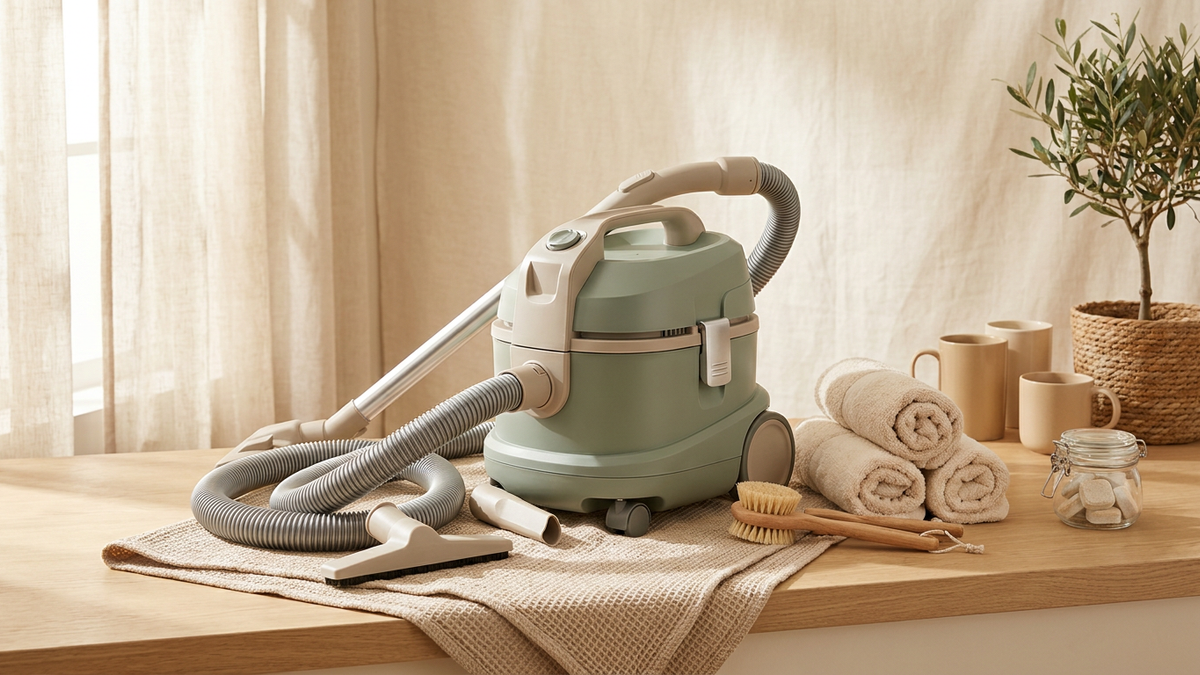
Stop the Struggle: Why Your Wet Dry Vacuum Lost Its Kick
It happens to the best of us. You're cleaning up a spill or sawdust, and suddenly, the power vanishes. Your motor is screaming, but nothing is moving through the hose. In 2026, even the most advanced wet & dry vacuums require basic physics to work: airtight seals and clear pathways.
- Most suction issues stem from clogged filters or loose hose connections. - Never skip the float valve check when transitioning between wet and dry modes. - Regular maintenance on the Roborock or Dreame wet-dry models prevents motor burnout. - A whistling noise usually indicates a localized air leak rather than a motor failure. Before you take anything apart, check the 'Blower' port. Many owners accidentally plug their hose into the exhaust port, blowing air out instead of sucking it in!The Troubleshooting Matrix: Symptoms and Solutions
Identifying the root cause quickly saves your motor from overheating. Use this table to diagnose your machine's behavior.
| Symptom | Likely Cause | Fast Fix |
|---|---|---|
| Weak Suction | Dirty Filter | Clean or replace filter |
| High-Pitched Whine | Clogged Hose | Drop a coin through the hose to find the blockage |
| Sudden Stop (Wet Mode) | Float Valve Activated | Empty the collection tank |
| Dust Blowing Out | Filter Not Seated | Re-install filter and check for holes |
1. The Filter Factor: The #1 Suction Killer
Filters are the lungs of your vacuum. If they are coated in fine drywall dust, the air simply cannot pass through. For 2026 models, many brands now use HEPA-rated pleated filters that require specific care.
To clean wet dry filters, tap them gently against the inside of a trash can. If the manufacturer allows, rinse them with low-pressure water and let them dry for 24 hours. Never install a damp filter for dry pickup, as it will turn dust into a concrete-like sludge.
Using a wet-dry vacuum for fine dust (like plaster or ash) without a high-efficiency collection bag will clog your filter in seconds and may void your warranty.2. Clearing a Clogged Vacuum Hose
If the motor sounds fine but there is zero suction at the nozzle, you likely have a physical obstruction. Large wood chips or clumps of hair often snag on the internal ridges of the hose. Disconnect the hose and use a broom handle to gently push the debris through. If you are using a robot vacuum combo, check the internal intake port for small pebbles.
Suction power is measured in CFM (Cubic Feet per Minute) and Water Lift. If your vacuum has a high CFM but low lift, it might struggle with heavy liquids even if the hose is clear.Advanced Fixes: Motor Noise and Tank Seals
If the filter and hose are clear but the performance still lags, look at the tank seal. The gasket between the motor head and the drum must be airtight. Over time, these gaskets can dry out or crack. If you notice vacuum motor noise that sounds like grinding, the bearings may be failing due to moisture ingress.
The Float Valve Check
Every wet-dry vac has a float ball or cage. When the water level gets too high, the ball rises to block the intake, protecting the motor. Sometimes this ball gets stuck in the "up" position due to dried gunk. Give the motor head a light shake; you should hear the ball rattling freely.
If you are dealing with a smelly vacuum after a wet cleanup, follow our 2026 odor prevention guide to sanitize the tank properly.Maintaining Modern Smart Vacuums
In 2026, many high-end units from Samsung and LG include sensors that alert you to suction loss. However, these sensors can get dirty too. Wipe down the infrared eyes inside the intake port to ensure the "Bag Full" light isn't a false alarm.
Can I use my wet-dry vacuum without a filter?Only when picking up large amounts of water. For dry debris, running without a filter will send dust directly into the motor, leading to permanent damage.
Why is my vacuum blowing dust back into the room?This usually means the filter is torn or not seated correctly. Check the rubber gasket at the base of the filter for any gaps.
How often should I replace the filter in 2026?For heavy DIY use, replace it every 6 months. For occasional household spills, once a year is sufficient, provided you clean it after every major use.
The Honest Take
Most wet dry vacuum troubleshooting doesn't require a repair shop. Who should buy a new one? Only those whose motors have started smelling like ozone or electrical fire. Who should skip the upgrade? Anyone who just needs a $20 replacement filter and a good hose cleaning. Keep those seals tight and the filters bright, and your machine will serve you well through 2026 and beyond.